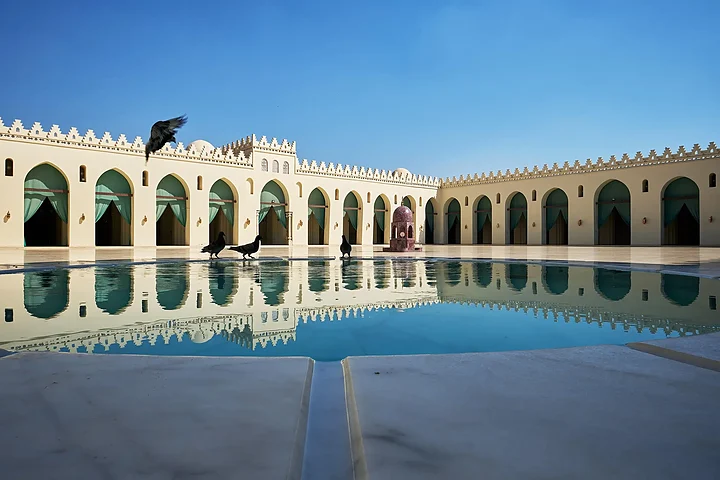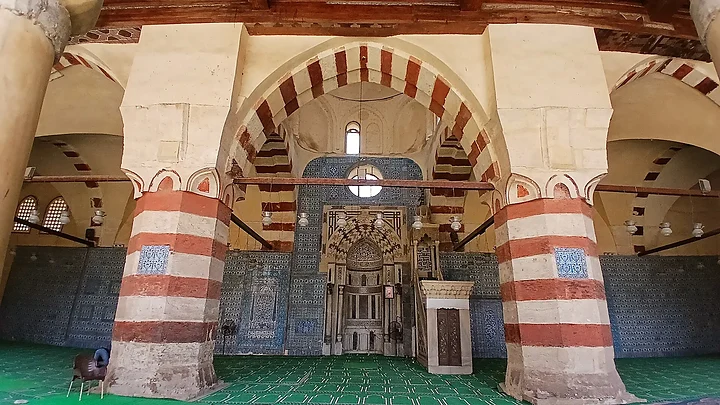
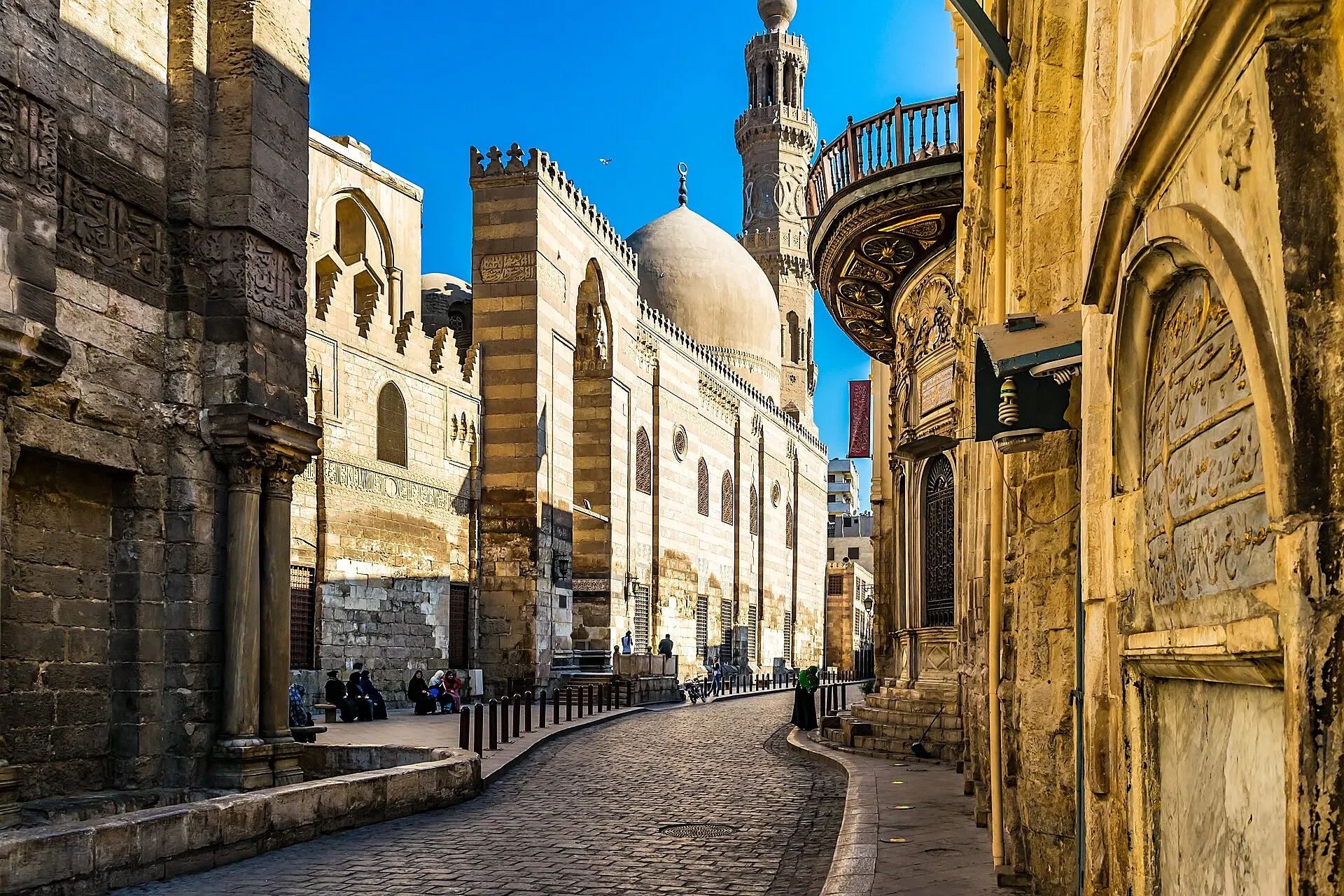
Al-Muizz li-Din Alloh al-Fotimiy koʻchasi (arabcha: شارع المعز لدين الله الفاطمي), yoki qisqacha al-Muizz koʻchasi, tarixiy Qohiraning devor bilan oʻralgan qismidagi shimoldan janubga qarab choʻzilgan asosiy koʻchalardan biridir. U Qohiraning eng qadimiy koʻchalaridan biri boʻlib, shaharning (undan avvalgi Fustatni hisobga olmaganda) 10-asrda, toʻrtinchi xalifalari Al-Muizz li-dinillah (koʻchaga uning nomi berilgan) boshchiligidagi Fotimiylar sulolasi tomonidan barpo etilishiga borib taqaladi.
Al-Muizz li-Din Allah al-Fatimi Street (Arabic: شارع المعز لدين الله الفاطمي, romanized: Shāriʻ al-Muʻizz li-Dīn Allāh al-Fāṭimī), or al-Muizz Street for short, is a major north-to-south street in the walled city of historic Cairo, Egypt. It is one of Cairo's oldest streets and dates back to the foundation of the city (not counting the earlier Fustat) by the Fatimid dynasty in the 10th century, under their fourth caliph, Al-Mu'izz li-Din Allah (after whom the street is named).
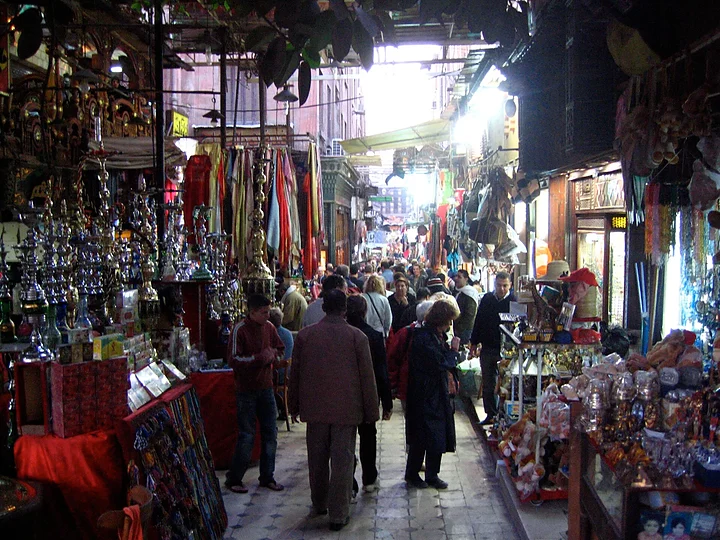
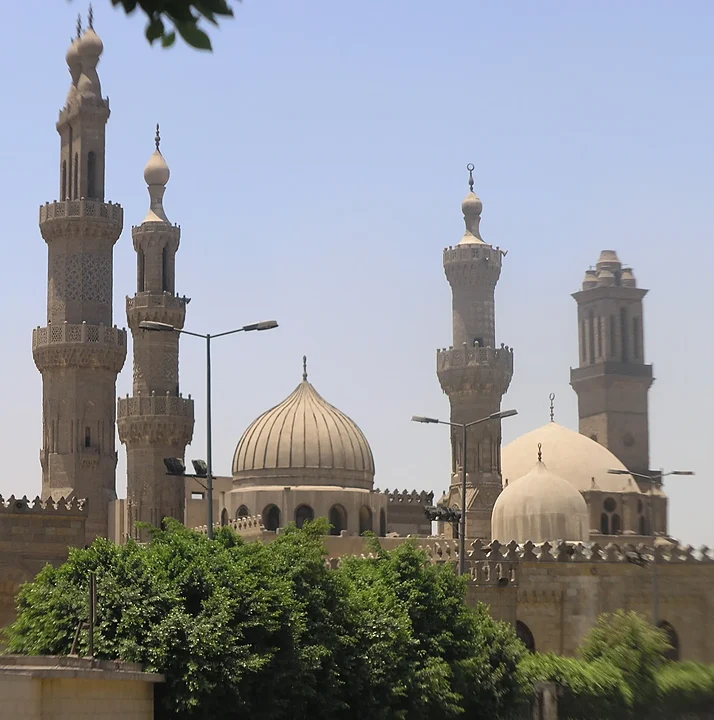
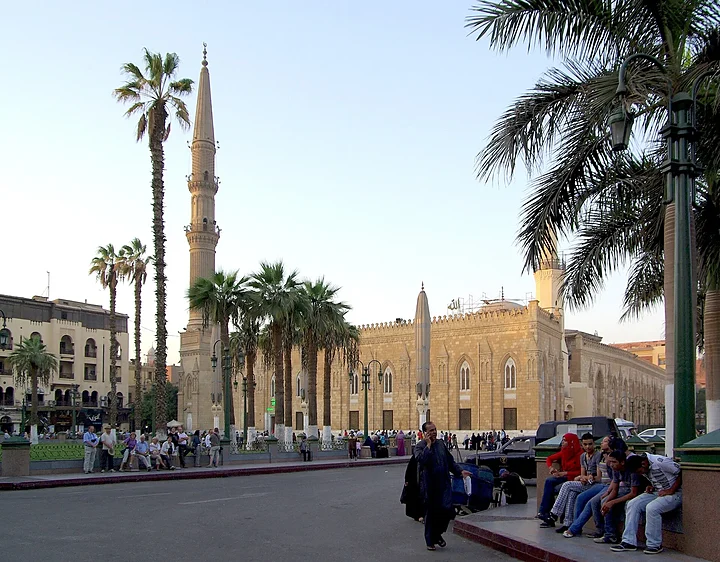
Historically, it was the most important artery of the city and was often referred to as the Qasaba (or Qasabah). It constituted the main axis of the city's economic zones where its souks (markets) were concentrated. The street's prestige also attracted the construction of many monumental religious and charitable buildings commissioned by Egypt's rulers and elites, making it a dense repository of historic Islamic architecture in Cairo. This is especially evident in the Bayn al-Qasrayn area, which is lined with some of the most important monuments of Islamic Cairo.
Die al-Muizz-Straße (arabisch شارع المعز, DMG Šāriʿ al-Muʿizz bzw. شارع المعز لدين الله, DMG Šāriʿ al-Muʿizz li-Dīn Allāh) in Kairo war im Mittelalter die Hauptstraße der Stadt und bildete das Zentrum während der Herrschaft der ismailitischen Dynastie der Fatimiden. Sie ist nach dem Imam und vierten Kalifen der Fatimiden-Dynastie al-Muizz li-Din Allah benannt, der 972 die Hauptstadt des Reiches von al-Mahdiya nach Kairo verlegt hatte.
Die über einen Kilometer lange Straße im mittelalterlichen Stadtteil von Kairo, der Hauptstadt Ägyptens, ist eine der ältesten Straßen der Stadt. Sie erstreckt sich vom Bab al-Futuh, dem Tor der fatimidischen Stadtbefestigung im Norden, bis zum Bab Zuweila, dem Tor im Süden. Einer Studie der Vereinten Nationen zufolge hat sie die größte Konzentration von mittelalterlichen Architekturschätzen der islamischen Welt. Die ägyptische Regierung führte ab 1997 umfangreiche Renovierungsarbeiten an den historischen und modernen Gebäuden, der Bepflasterung und Kanalisation durch, um die Straße in ein Freilichtmuseum islamischer Baukunst umzuwandeln.
La calle Al-Muizz (Shariʻa al-Muizz li-Deen Illah) es una de las calles más antiguas de la ciudad de El Cairo, en Egipto, ubicada dentro de la zona de El Cairo Histórico. Tiene aproximadamente un kilómetro de largo y se extiende desde Bab al Futuh en el norte hasta Bab Zuwayla, en el sur. Según un estudio de las Naciones Unidas, alberga la mayor concentración de tesoros arquitectónicos medievales del mundo islámico. El nombre de la calle (shariʻa en árabe) proviene de Ma'ad al-Muizz Li-Dinillah, el cuarto califa de la dinastía fatimí.
Desde el año 1997, el gobierno nacional comenzó a realizar una serie de renovaciones importantes a los edificios de la calle (tanto en los históricos como en los modernos), al pavimento y al sistema de alcantarillado para convertir la ciudad en un "museo de espacio abierto", con la intención de finalizar en octubre de 2008. El 24 de abril de ese año, la calle es peatonal entre las ocho de la mañana y las once de la noche; el tráfico se permite solo durante la noche.
Manba: Vikipediya – “Al-Muʼizz koʻchasi” · CC BY-SA 4.0
Boshqa tillarda o‘qish: · · ·