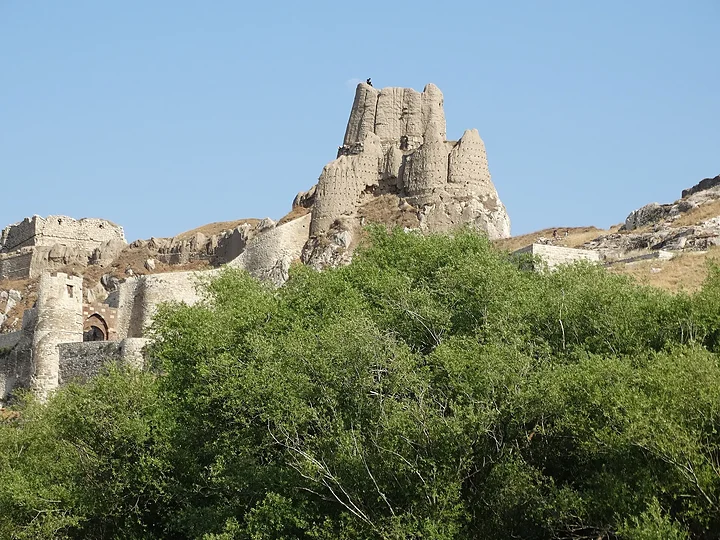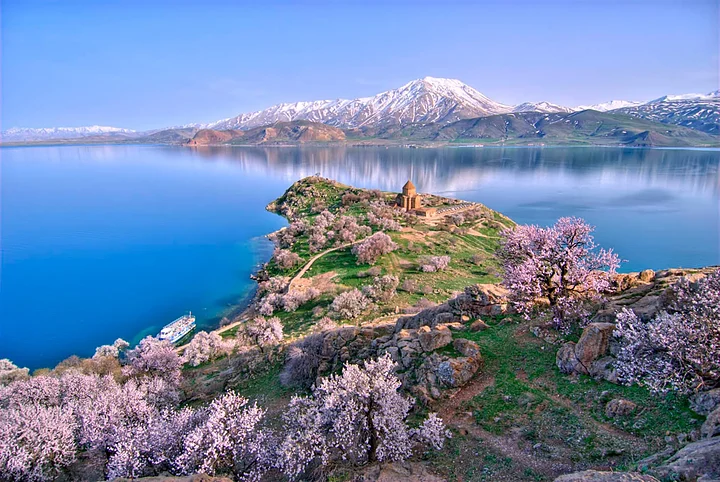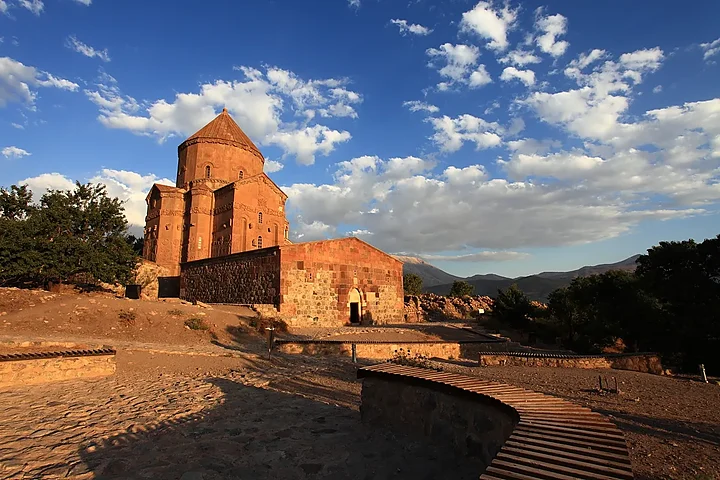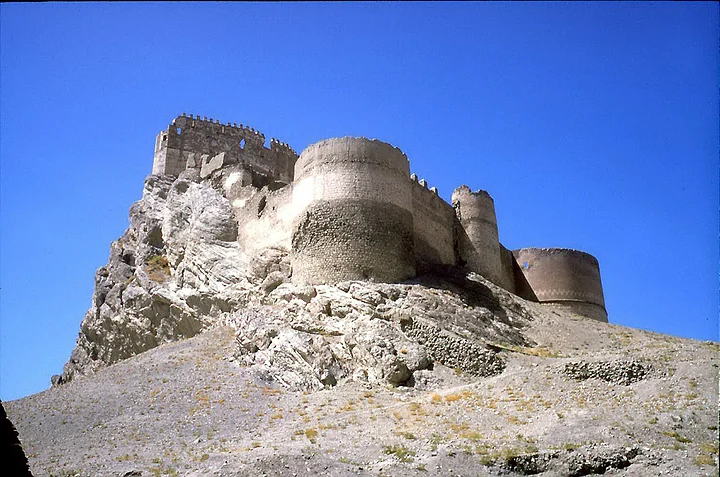
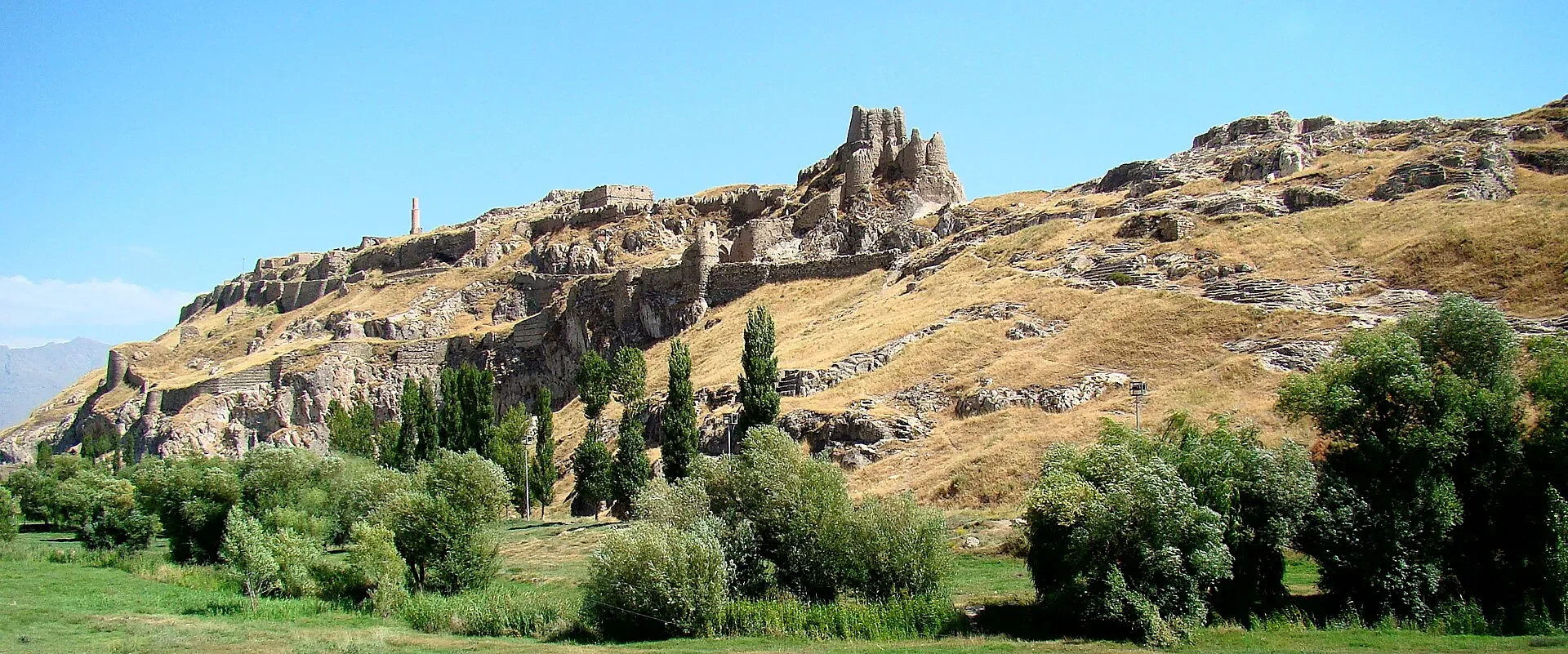
Van qal’asi (arman. Վանի Բերդ, Van qal’asi nomi bilan ham tanilgan; kurdcha: Kela Wanê; turkcha: Van Kalesi) qadimgi Urartu podsholigi tomonidan miloddan avvalgi IX-VII asrlarda toshdan qurilgan ulkan istehkom boʻlib, bu turdagi eng yirik namunadir. U IX asrda qadimiy Urartu poytaxti Tushpa xarobalariga tegishli. Uning markazi hozirda qal’a joylashgan tik qirrali qoyada joylashgan edi. Urartu shohligida bir qator shunga oʻxshash istehkomlar qurilgan boʻlib, ular odatda hozirgi Armaniston, Turkiya va Eron chegaralari kesishadigan joylarda tepaliklarda barpo etilgan. Midiya, ahamoniylar, armanlar, parfiyaliklar, rimliklar, sosoniylar, forslar, vizantiyaliklar, arablar, saljuqiylar, safaviylar, afshoriylar, usmoniylar va ruslar tarixda qal’a ustidan nazorat oʻrnatgan. Qadimiy qal’a Vandan gʻarbda va Van koʻli sharqida Turkiyaning Van viloyatida joylashgan.
Silva Tipple New Leyk 1938—1940-yillarda vayronalardagi Amerika ekspeditsiyasini boshqargan. Undagi topilmalar va dala yozuvlarining aksariyati 1940-yilda Afina SS kemasining choʻkishi paytida yoʻqolgan.
Крепость Ван (арм. Վանի Բերդ, тур. Van Kalesi, курд. Kela Wanê), также известна как цитадель Ван — массивное каменное фортификационное сооружение, построенное в древнем царстве Урарту в IX—VII веках до н. э.
Крепость имеет длину около 1800 м, высоту — 120 м, ширину — 80 м.
Со стен крепости открывается вид на развалины Тушпы — древней урартской столицы IX века до нашей эры. Ряд подобных укреплений был построен во времена царства Урарту. Они, как правило, расположены на склонах гор в современной Армении, Турции и Иране. Крепостью в разное время владели ахемениды, армяне, парфяне, римляне, сасаниды, персы, византийцы, арабы, сельджуки, турки и русские. Древняя крепость Ван находится к западу от города Ван и к востоку от озера Ван в провинции Ван Турции.
Нижние части стен крепости Ван были построены из базальта, остальное строили из сырцовых кирпичей.
Такие крепости были использованы для контроля над территорией, а не как защита против иностранных армий. Развалины крепости находятся рядом с современным Ваном, где они поддерживают стены, построенные в средневековую эпоху.
The Fortress of Van (also known as Van Citadel; Turkish: Van Kalesi; Armenian: Վանի Բերդ; Kurdish: Kela Wanê) is a massive stone fortification built by the ancient kingdom of Urartu during the 9th to 7th centuries BC, and is the largest example of its kind. It overlooks the ruins of Tushpa, the ancient Urartian capital during the 9th century, which was centered upon the steep-sided bluff where the fortress now sits. A number of similar fortifications were built throughout the Urartian kingdom, usually cut into hillsides and outcrops in places where modern-day Armenia, Turkey and Iran meet. Successive groups such as the Medes, Achaemenids, Armenians, Parthians, Romans, Sassanid Persians, Byzantines, Arabs, Seljuks, Safavids, Afsharids, Ottomans and Russians each controlled the fortress at one time or another. The ancient fortress is located just west of Van and east of Lake Van in the Van Province of Turkey.
Silva Tipple New Lake led an American expedition to the ruins in 1938–40. Most of the finds and field records from this were lost in the sinking of the S.S. Athenia in 1940.
La forteresse de Van (en arménien : Վանի Բերդ, aussi appelée citadelle de Van ; en turc : Van Kalesi ; en kurde : Kela Wanê) est une fortification en pierre construite sous l'antique royaume d'Ourartou au cours du IXe et du VIIe siècle av. J.-C., elle est le plus grand exemple de son genre architectural. Elle surplombe les ruines de Tushpa, la capitale antique ourartéenne pendant le IXe siècle qui se situait sur l'abrupt de la falaise escarpée où se trouve maintenant la forteresse. Un certain nombre de fortifications similaires ont été construites dans tout le royaume d'Ourartou, habituellement coupé dans des versants de colline et des affleurements à cheval entre les actuelles Arménie, Turquie et Iran. Des occupants successifs tels que les Arméniens, les Romains, les Mèdes, les Perses achéménides et sassanides, les Arabes, les Seldjoukides, les Ottomans et les Russes ont chacun contrôlé la forteresse à un moment ou un autre. La forteresse antique est située juste à l'ouest de Van et à l'est du lac de Van dans la province de Van en Turquie.
La Fortaleza de Van (armenio: Վանի Բերդ, también conocida como ciudadela de Van; en kurdo: Kela Wanê; en turco: Van Kalesi ) es una enorme fortificación de piedra que fue construida por el antiguo reino de Urartu entre los siglos IX y siglo VII a. C. y es el ejemplo más grande de su tipo. Se erige frente a las ruinas de Tushpa, antigua capital urartiana durante el siglo IX a. C., que estaba frente al acantilado donde ahora se asienta la fortaleza. Se construyeron varias fortificaciones similares en todo el reino de Urartu, generalmente excavadas en laderas y afloramientos en lugares donde se unen las actuales Armenia, Turquía e Irán. Los pueblos sucesivos que pasaron por la zona como los medos, aqueménidas, armenios, partos, romanos, persas sasánidas, bizantinos, árabes, selyúcidas, safávidas, afsáridas, otomanos y rusos controlaron la fortaleza en un momento u otro. La antigua fortaleza está situada justo al oeste de Van y al este del lago Van (provincia de Van, Turquía).
Van Kalesi, Urartu Krallığı tarafından kütle halindeki taştan yaptırılan ve Urartu başşehri Tuşba'yı kuş bakışı gören bir istihkam yapıdır. Van Gölü kıyısında olup, Van şehrine 5 km uzaklıkta bulunan bu kale sarp bir kayalık üzerine inşa edilmiştir. Yapı 1800 m uzunluğunda, 120 m genişliğinde ve 80 m yüksekliğindedir. Kale MÖ 9. yüzyılda Lutipri'nin oğlu Sarduri tarafından MÖ 840-MÖ 825 tarihleri arasında kurulmuştur. Çok sayıdaki bu tür istihkamlara şimdiki Ermenistan, Türkiye ve İran'da rastlanır. Genellikle bu tür yapılar yeryüzüne çıkmış kayalarda ve yamaçların içinde yapılır. Bu tür kaleler genellikle yabancı ordulara karşı koymak için değil, bölge kontrolü için kullanılır. Van şehri eteklerindeki bu yapının harabeleri onun duvarlarının Orta Çağ'da yapıldığını destekler.
Ayrıca bu kalenin, o zamanlarda yaşayan dev insanlar tarafından yapıldığına dair söylentiler vardır. Çünkü Van Kalesi'nin o zamanın şartlarıyla yapılmasının olanaksız olduğu düşünülmektedir.
Manba: Vikipediya – “Van qalʼasi” · CC BY-SA 4.0
Boshqa tillarda o‘qish: · · · · ·