Bu matn hozircha boshqa tilda mavjud.
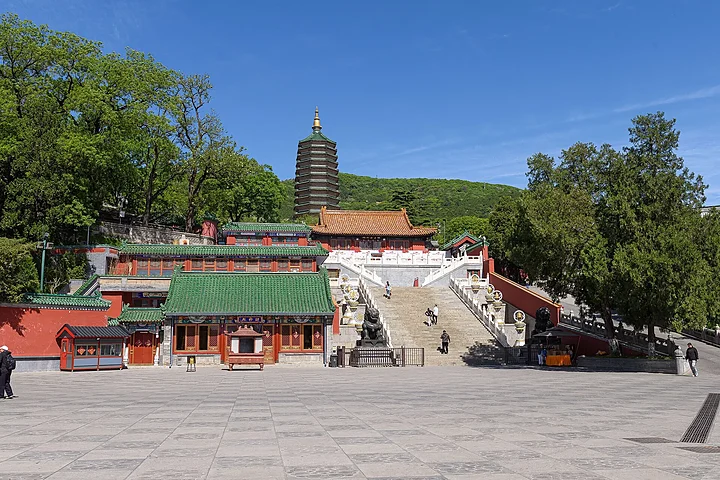
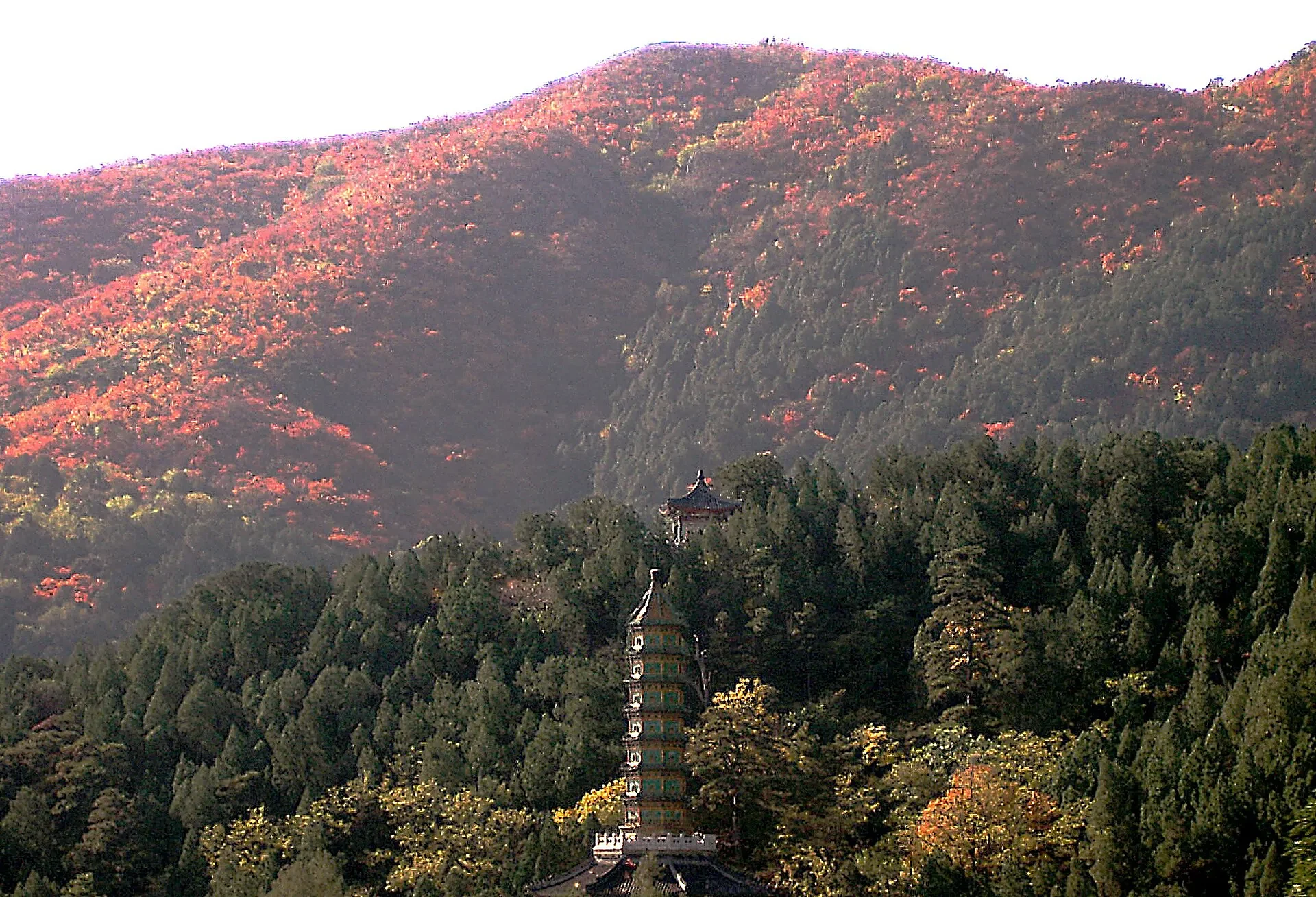
Fragrant Hills Park or Xiangshan Park (香山公园) is a public park and former imperial garden at the foot of the Western Hills in the Haidian District, Beijing, China. It was also formerly known as Jingyi Garden or "Jingyiyuan" (靜宜園). It covers 160 ha (395 acres) and consists of a natural pine-cypress forest, hills with maple trees, smoke trees and persimmon trees, as well as landscaped areas with traditional architecture and cultural relics. The name derives from the highest peak of Fragrant Hills, Xianglu Feng (Incense Burner Peak), a 575-meter (1,886 ft) hill with two large stones resembling incense burners at the top.
Сяншань (кит. 香山; пиньинь: Xiāngshān — букв. «Благоухающая гора») — парк площадью 1,6 км² у подножия гор Сишань на северо-западе Пекина, где расположено множество буддийских храмов. Создан в 1186 при династии Цзинь. На территории парка расположен тибетского стиля храм Чжаомяо, построенный в 1780 в качестве резиденции шестого панчен-ламы во время его визитов к императору Хунли.
Le parc Xiangshan (en chinois simplifié : 香山公园 ; chinois traditionnel : 香山公園 ; pinyin : Xiāngshān gōngyuán ; litt. « Jardin public des collines parfumées », traduit en anglais en Fragrant Hills Park), est un jardin impérial de la dynastie Ming, situé au pied des montagnes de l'ouest (en) dans le district de Haidian, dans la partie nord-ouest de Pékin, en Chine.
Il était autrefois appelé Jardin Jingyi (静宜园 / 靜宜園, jìngyí yuán, « jardin paisible et convenable »). Initialement créé en 1186, sous la Dynastie Jin (1115-1234), il a été refait en 1441, sous la Dynastie Ming).
Il a une superficie de 1,6 km2 et se compose pour l'essentiel d'un paysage boisé.
Un hôtel dessiné par Ieoh Ming Pei s'y trouve, le Fragrant Hill Hotel.
香山公园,原名静宜园,为中国古代的皇家园林,位于北京市海淀区买卖街40号。北京每年秋季观赏红叶期间,通常会有数十万游客到香山赏红叶。
Manba: Vikipediya – “Fragrant Hills” · CC BY-SA 4.0
Boshqa tillarda o‘qish: · · ·