Bu matn hozircha boshqa tilda mavjud.
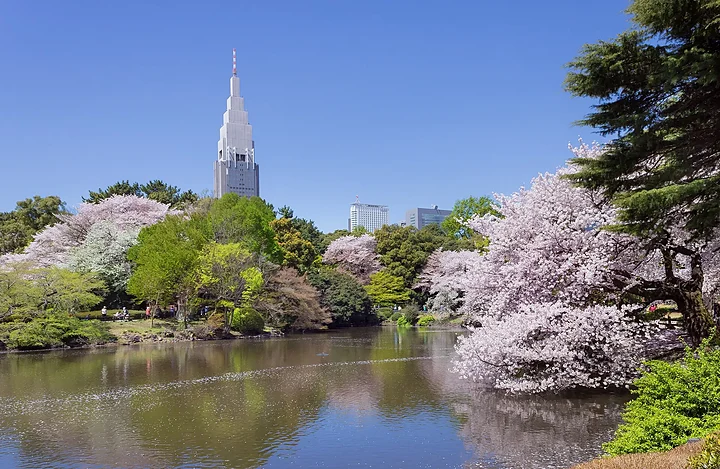
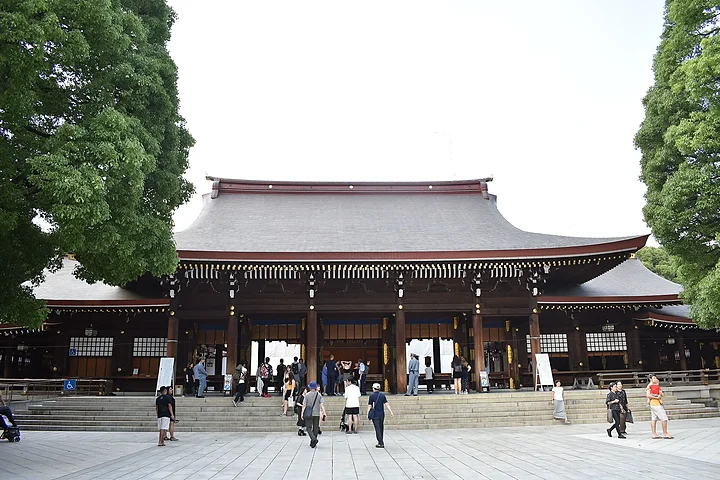
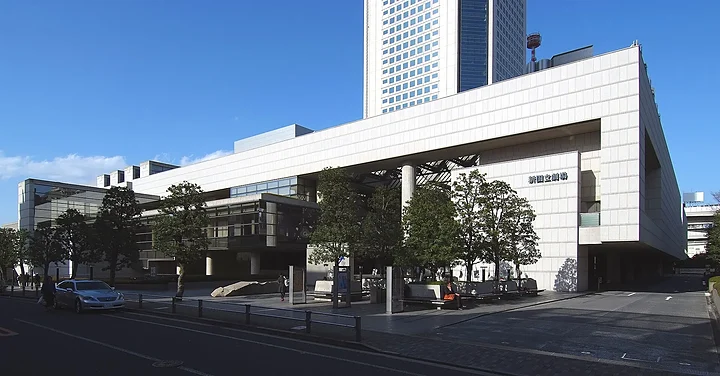
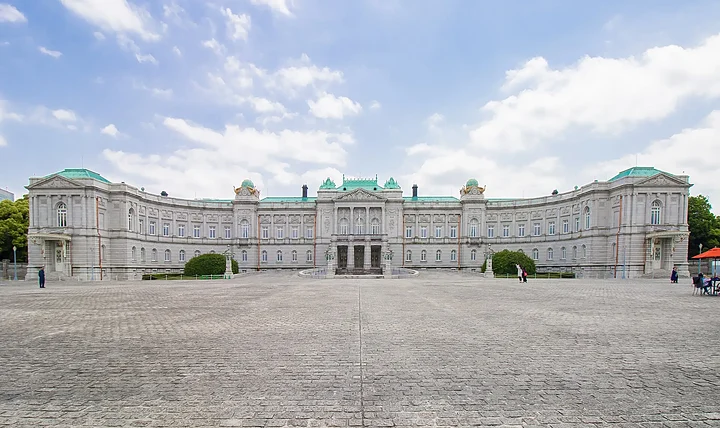
Shinjuku (新宿区, Shinjuku-ku) [ɕìɲ̟.ɟ̟͡ʑɨ.kɯ̈, -kɯ̥̈.kɯ̈̀, ɕíɲ̟-] , officially called Shinjuku City, is one of the 23 special wards of Tokyo.
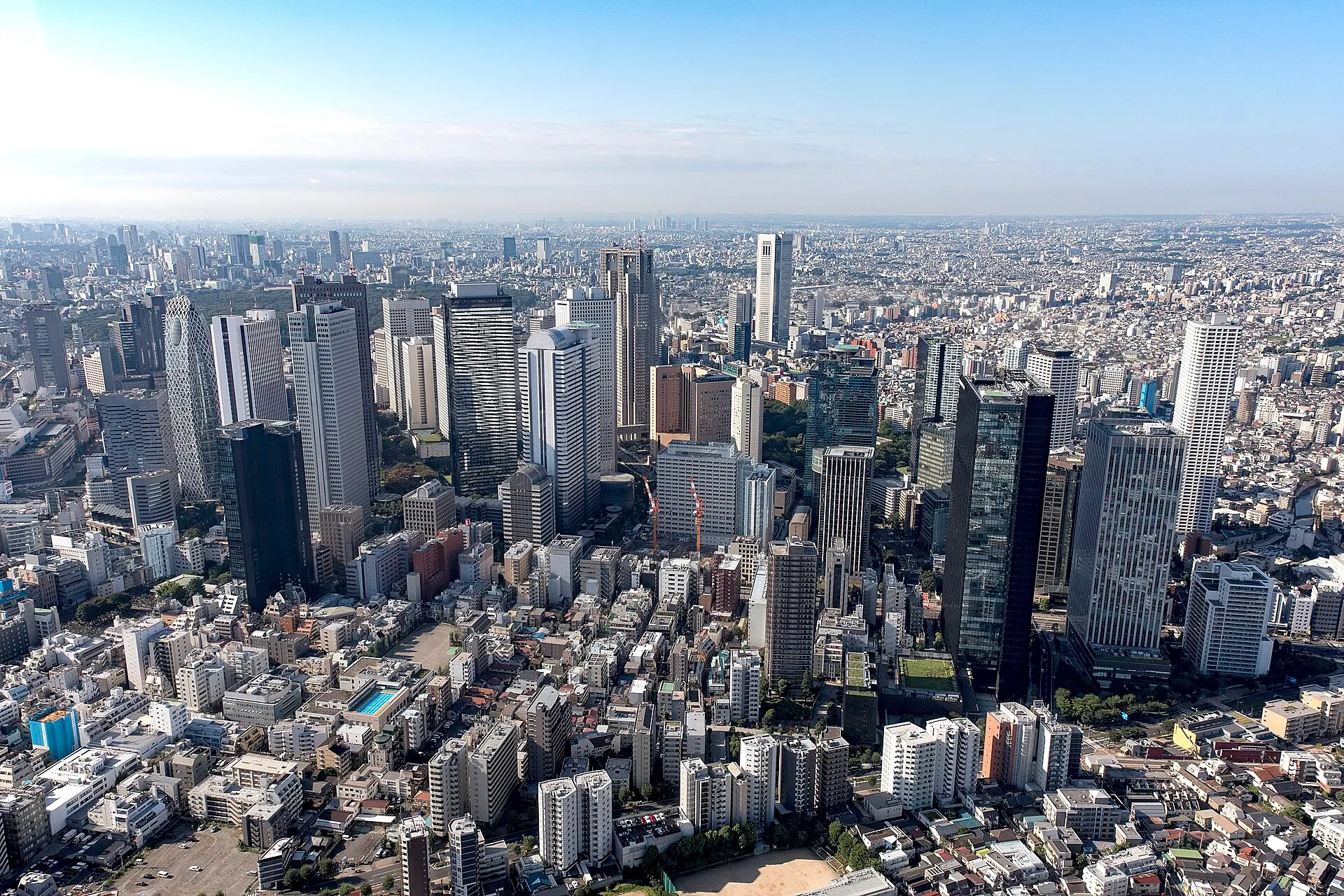
Since the end of World War II, Shinjuku has become a major secondary center of Tokyo (fukutoshin), rivaling the original city center in Marunouchi. Today, it is a major commercial and administrative center and houses the northern half of Shinjuku Station, the busiest railway station in the world, as well as the Tokyo Metropolitan Government Building, the administrative center of the Tokyo Metropolitan Government.
As of 2025, the ward has an estimated population of 355,981, living in a total area of 18.23 km2.
Синдзюку (яп. 新宿区 Синдзюку-ку) — один из 23 специальных районов Токио, административный центр префектуры Токио. Был создан путём объединения трёх близлежащих районов Усигомэ-ку, Ёцуя-ку и Ёдобаси-ку. Площадь города составляет 18,23 км², население — 349 743 человека (1 октября 2020), плотность населения — 19 185,02 чел./км².
Соседние специальные районы Токио: Тиёда на востоке; Бункё и Тосима на севере; Накано на западе, Сибуя и Минато на юге.
Shinjuku (jap. 新宿区 -ku, „Bezirk ~“, engl. „~ City“) ist ein („Sonder-“)Bezirk und Verwaltungssitz der japanischen Präfektur Tokio. Er liegt im Westen Tokios.
Shinjuku (新宿区, Shinjuku-ku) est l'un des 23 arrondissements spéciaux de Tokyo (区, ku) fondés en 1947 en remplacement de la municipalité de Tokyo. En septembre 2025, sa population est de 360 048 personnes pour une superficie de 18,22 km2. L'arrondissement abrite le gouvernement de la métropole de Tokyo.
Shinjuku est l'arrondissement de Tokyo comptant le plus grand nombre d'étrangers. Au 1er octobre 2005, on en comptait 29 353 de 107 nationalités différentes[réf. nécessaire]. Il s'agit d'abord de ressortissants de Corée (du Nord et du Sud), de Chine, du Viêt Nam, de Birmanie et des Philippines.
De façon plus restreinte, Shinjuku est un quartier situé autour de la gare de Shinjuku. C'est l'un des quartiers les plus animés de Tokyo, mais aussi un haut lieu des affaires abritant le siège de nombreuses grandes sociétés. La plupart des grands magasins japonais (Isetan, Keiō, Odakyu, Marui, Seibu, Takashimaya et Tōkyū) sont présents à Shinjuku. On y trouve aussi des cinémas, des restaurants, des bars et des hôtels internationaux.
Shinjuku (新宿区 -ku, Shinjuku?) es un barrio especial de la Metrópolis de Tokio, en Japón.
Es el más importante centro comercial y administrativo de la Metrópolis de Tokio. En el mismo, se encuentra su famosa estación de trenes, que es la más utilizada del mundo (un promedio de 3 millones de personas emplean la estación diariamente), además del Tochō (都庁) o edificio del Gobierno Metropolitano de Tokio, el cual es el centro de la administración de Tokio y símbolo urbano más importante de la parte oriental de Tokio. En el área cercana de la estación de Shinjuku se encuentra una gran concentración de tiendas de electrónica, centros comerciales como Odakyu, cines, restaurantes y bares. Muchos hoteles internacionales poseen una sucursal en este barrio especial, especialmente hacia el oeste del barrio especial.
En el año 1960, la población estimada de este barrio especial fue de 413.910, con una densidad poblacional de 22.708 personas por km², con un área total de 18,23 km².
Shinjuku (Japonca: 新宿区 Shinjuku-ku; "yeni kulübe"), Japonya'nın başkenti Tokyo'nun 23 özel semtinden biri ve Tokyo'nun yönetim merkezidir. Yüzölçümü 18.23 km² olan semtin nüfusu 1 Mayıs 2015 tarihi itibarıyla 334,978'dir.
Shinjuku, çeşitli gökdelen ve iş merkezleri, dünyanın en işlek tren istasyonu olan Shinjuku İstasyonu ve Tokyo Büyükşehir Hükûmetinin karargahı olan Tokyo Metropolitan Hükümeti Binası'nı barındıran büyük bir ticari ve idari merkezdir.
新宿区(日语:新宿区/しんじゅくく,罗马化:Shinjuku ku,发音:[ɕiɲdʑɯkɯ] )是日本东京都的特别区之一,为东京都厅(都政府)所在地。区内的新宿站为日本旅运人次最多的铁路车站,而以新宿站为中心的商圈(包括新宿副都心),为东京乃至于整个日本重要的中心商业区之一。
Manba: Vikipediya – “Shinjuku” · CC BY-SA 4.0
Boshqa tillarda o‘qish: · · · · · ·